Understanding Waterloo Iowa's Housing Demand and Development Capacity Trends through 2040
By Jared Hottle | Published: 2025-11-05T15:37:13.312Z
The Waterloo housing market is at an important crossroads, influenced by changing demographics, economic factors, and evolving household structures. According to the 2021 Waterloo Housing Needs Assessment, this blog post explores the current market landscape, absorption trends, and expected housing requirements through 2040. With a stable population of around 67,300, the demand for housing is shifting due to smaller household sizes and changing living preferences.
In this discussion, we will examine the implications of these trends, the challenges residents face, and the actions necessary to ensure a balanced housing market for the future.
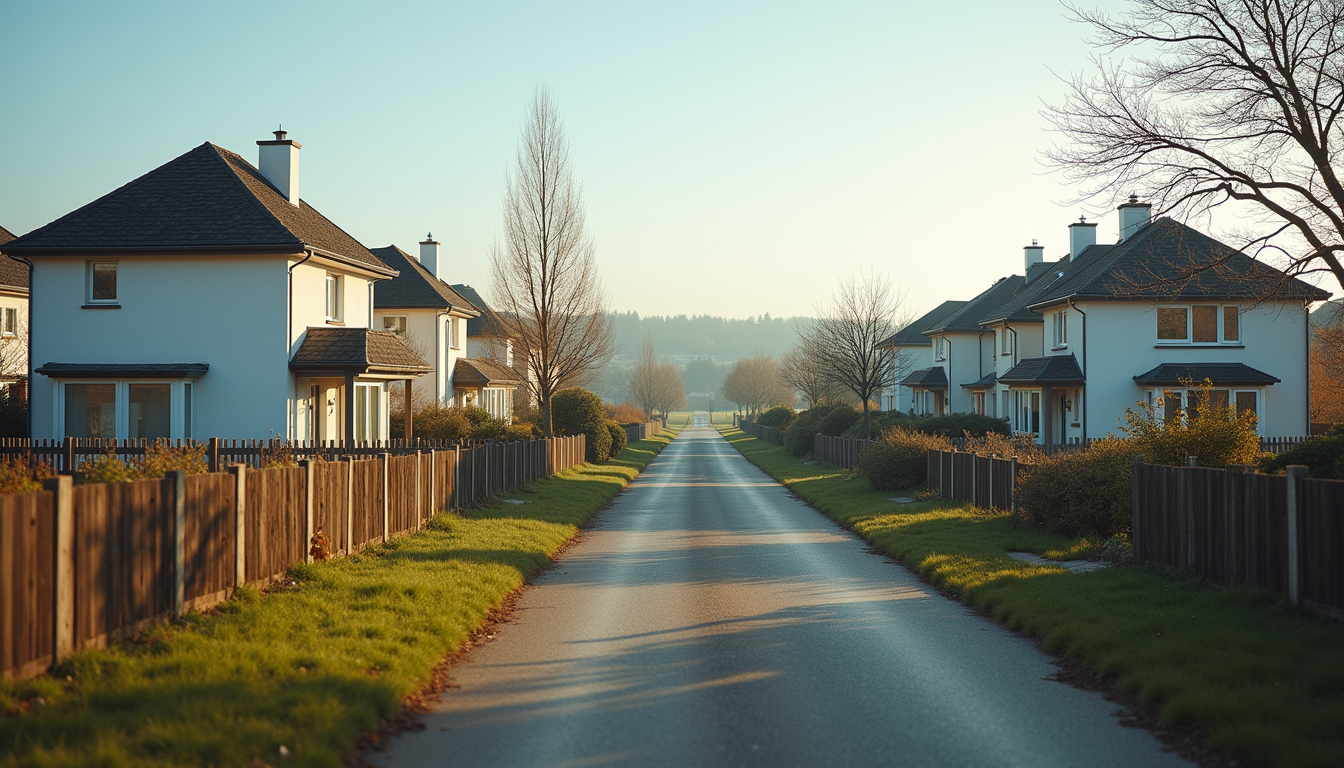
Eye-level view of a residential neighborhood in Waterloo
Market Overview & Absorption Trends in Waterloo, Iowa Housing
Population Stability, Not Stagnation
Waterloo's population has remained steady at about 67,300 for the past two decades. However, a notable trend is the decline in household sizes. For example, the average household size dropped from 2.6 people in 2001 to 2.4 in 2021. This demographic change indicates that even without significant population growth, the need for more housing units will continue to rise.
Projections suggest that by 2040, Waterloo will need roughly 1,200 new households to accommodate these changes. This figure highlights the urgency of responding to evolving living arrangements.
Historical Absorption Rate
From 2014 to 2017, the city issued about 142 residential permits annually, resulting in an absorption rate of just 0.46% of the total housing stock each year. This rate is well below the 1% benchmark seen as healthy for a thriving housing market.
Such a low absorption rate raises significant concerns about Waterloo's ability to meet future housing needs, particularly with changing demographics that demand different housing options.
Expected Net Additions
Considering demolitions and other losses, which are estimated to remove about 1,384 housing units, Waterloo is projected to gain only about 1,456 net new housing units by 2040. That averages to just 73 new units per year.
At this slow pace, demand is likely to exceed supply within the next ten years, potentially resulting in housing shortages and increased market pressures.
Housing Demand Indicators
Vacancy Trends Suggest Tightening Supply
Current vacancy rates in Waterloo indicate a tightening supply in both homeowner and rental markets. Homeowner vacancy rates are between 1.8% and 2.2%, while rental vacancy rates range from 7% to 9.6%. However, for professionally managed units, this rate can drop to as low as 2.2%.
The high turnover in market-rate inventory, especially among newer or renovated properties, underscores a strong demand for quality housing options.
Rising Pressure in Both Sectors
Financial pressures are mounting for many residents. Nearly 40% of renters and 16% of homeowners are burdened with housing costs, meaning they spend a large portion of their income on housing.
Low-income workers in key sectors like healthcare, manufacturing, and logistics face the most significant challenges in finding affordable housing. This situation creates a pressing demand for affordable options that cater to workforce housing needs.
Projected Household Growth Scenarios
Stable Population Growth Scenario
In a stable population scenario from 2020 to 2040, the population is expected to remain largely unchanged at about 67,300. However, an increase of roughly 1,224 households will still be necessary. This equates to about 138 new permits per year from 2021 to 2030 and 122 new permits per year from 2031 to 2040.
This scenario highlights the need for ongoing housing development to meet baseline demand.
Moderate Growth Scenario
In a moderate growth scenario of Waterloo, Iowa housing, the population could grow to around 71,022 by 2040, leading to a household growth of about 1,700. This scenario requires an average of 151 new permits per year for the first decade and around 114 new permits per year in the latter decade.
Even this scenario underlines the need for continuous housing developments to accommodate the rising population.
Minimum Development Requirements
In any growth scenario, Waterloo should strive to maintain the development of 130 to 150 new units per year to meet the minimum demand. This requirement emphasizes the importance of proactive development strategies to ensure that housing availability keeps pace with community needs.
Absorption Potential by Product Type
Understanding Product Types
Examining the absorption potential of various housing types is vital to understanding how to best serve the community. Options such as single-family homes, townhouses, and multi-family units each meet different goals and preferences of Waterloo's residents.
For instance, single-family homes might attract young families, while professionals and students may prefer multi-family units or rentals. Insights like these can help city planners make data-driven decisions about future developments.
Market Demand for Different Housing Types
Demand varies significantly by housing type, influenced by demographic trends. For example, data from the 2021 assessment indicates that younger families are increasingly leaning towards single-family homes, whereas students and young professionals may prefer apartments and condos.
To create a balanced housing market that addresses all community segments, it is vital for developers and city planners to understand these preferences.
Moving Forward
The Waterloo housing market faces critical challenges as it balances a stable population with decreasing household sizes. The historical absorption rates and anticipated net additions reveal an urgent need for action to address the expected housing shortages by 2040.
Collaboration among stakeholders, including planners, developers, and residents, is essential for crafting a sustainable housing strategy. By recognizing the trends and challenges revealed in the 2021 Waterloo Housing Needs Assessment, we can aim for a future where all residents have access to quality and affordable housing.
Moving forward requires a unified commitment to innovative, community-focused strategies. With concerted efforts, Waterloo can cultivate a thriving housing market to support its residents well into the future.
Bottom Line
At current build rates, Waterloo will face a housing deficit of 500–700 units by 2040 even under conservative assumptions.
- Market-rate and workforce housing show the strongest absorption potential.
- Downtown infill, duplex/townhome formats, and attainable new construction will continue to lease or sell rapidly.
- The local market can sustainably absorb 125–150 new units per year citywide — nearly double the current pace — without risking oversupply.
To Review the Housing Needs Assessment for yourself go to this link
Interested in talking about residental unit development? Reach out to me at 319-288-5382 or Jared@hottlerealestate.com